
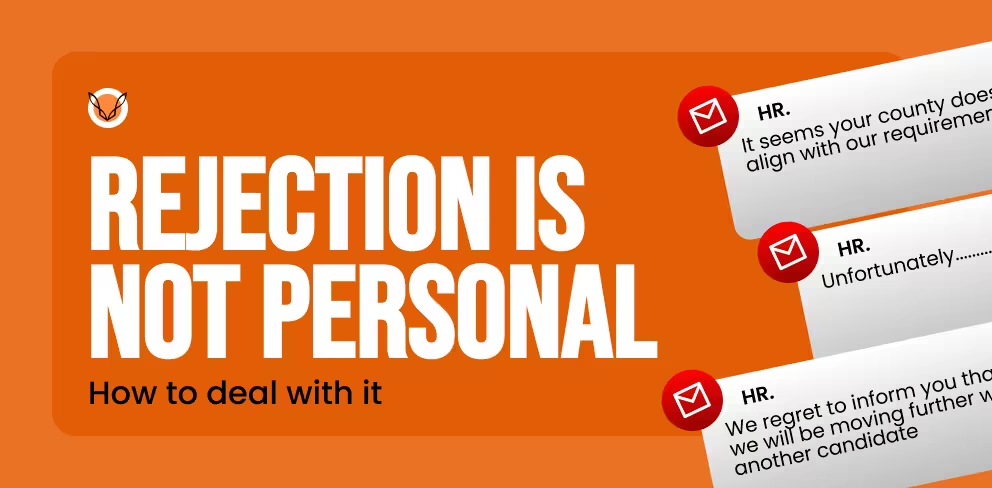
At some point, life will tell you no, and it will sting.
Sometimes it comes clearly, as a rejection message. Other times it shows up silently; your DM goes unanswered, or the proposal you spent hours on is ignored.
It doesn’t matter if you're a builder, creator, developer, singer, writer, or designer. Everyone encounters rejection.
When it happens, it’s easy to let it get to you:
➢ You question your ability
➢ You question your value
➢ You feel disappointed
➢ Self-doubt starts to weigh on you
➢ You wonder if you’re enough
But here’s the truth: rejection is far more common and far less personal than you think.
This article breaks down why rejection happens, what it actually means, and how to respond in a way that helps you grow.
Why Rejection Happens
Life is dynamic. Priorities shift, people move on, new ideas emerge, and what matters today can become outdated tomorrow.
When you’re rejected, it’s rarely because you lack skill or value. Most often, it comes down to a few practical reasons:
1. Skill Fit: You can be highly capable and still not be the right fit for a project or client.
Some projects need specific experience, niche knowledge, or a style that aligns with their goals.
That doesn’t make you unqualified, it simply means your skills weren’t the perfect match at that moment.
2. Pricing: Budget matters. If your rate is too high, it might exceed what a client is willing to pay. If it’s too low, it can raise concerns about quality or confidence.
Pricing isn’t just about numbers, it’s about communicating your value clearly and fairly.
3. A Better Offer: Sometimes, someone else simply fits the client’s needs better.
They may have prior experience with that client, expertise in a specific area, or availability at the right time.
This doesn’t invalidate your abilities; it just means another person aligned more closely with what they were looking for.
How to Handle Rejection Without Letting It Break You
Rejection stings, that part is unavoidable. What matters is how you respond.
Here are 7 approaches that helps me:
1. Feel It, Then Move On: It’s okay to feel disappointed. Ignoring the emotion doesn’t make you stronger, but dwelling too long can stalk progress.
Take a moment to reflect, then get back to work. Use rejection as a chance to improve, not as a reason to doubt yourself.
2. Learn by Observing Others: If you know who got the opportunity, study them:
➢ Their portfolio
➢ Their writing or presentation
➢ How they position themselves online
The goal isn’t comparison, it’s learning. There’s always insight you can apply to your own approach.
3. Refine Your Pitch: Rejection is feedback.
Ask yourself:
➢ Does my pitch clearly explain what I do?
➢ Does it show why someone should hire me?
➢ Does it highlight the results I can deliver?
Small adjustments in communication can make a big difference.
4. Know When to Walk Away: You don’t need to win every opportunity, and you don’t need to chase clients who don’t recognise your value.
The truth is, not every “NO" is a loss. Some are simply a sign that the relationship would not have worked long term.
5. Strengthen Your Personal Brand: People don’t just hire based on skill, they hire based on clarity.
Your portfolio, tone, online presence, and visibility all influence how people perceive you before you speak with them.
The clearer your brand, the easier it is for the right opportunities to find you.
6. Don’t React Publicly: It can be tempting to vent online after a rejection. But public complaints often do more harm than good.
Burning bridges or airing frustrations can damage your reputation and future opportunities. Stay professional even when it’s frustrating.
7. Step Away and Reset: Sometimes the best action is to pause, go outside, take a walk, watch a show, or simply rest.
Clearing your mind helps you see rejection for what it is: a normal part of growth, not a reflection of your worth.
What Rejection Actually Means
Rejection doesn't mean you’re not good enough. Most of the time, it simply means you weren't the right fit for that specific opportunity.
The wins you see online usually come after dozens, if not hundreds, of “NOs” that nobody talks about.
Rejection is not personal, it's a normal phase. What counts is how you respond.
Keep building, refine your approach, and keep putting yourself out there.
That's how you turn “no” into growth.